
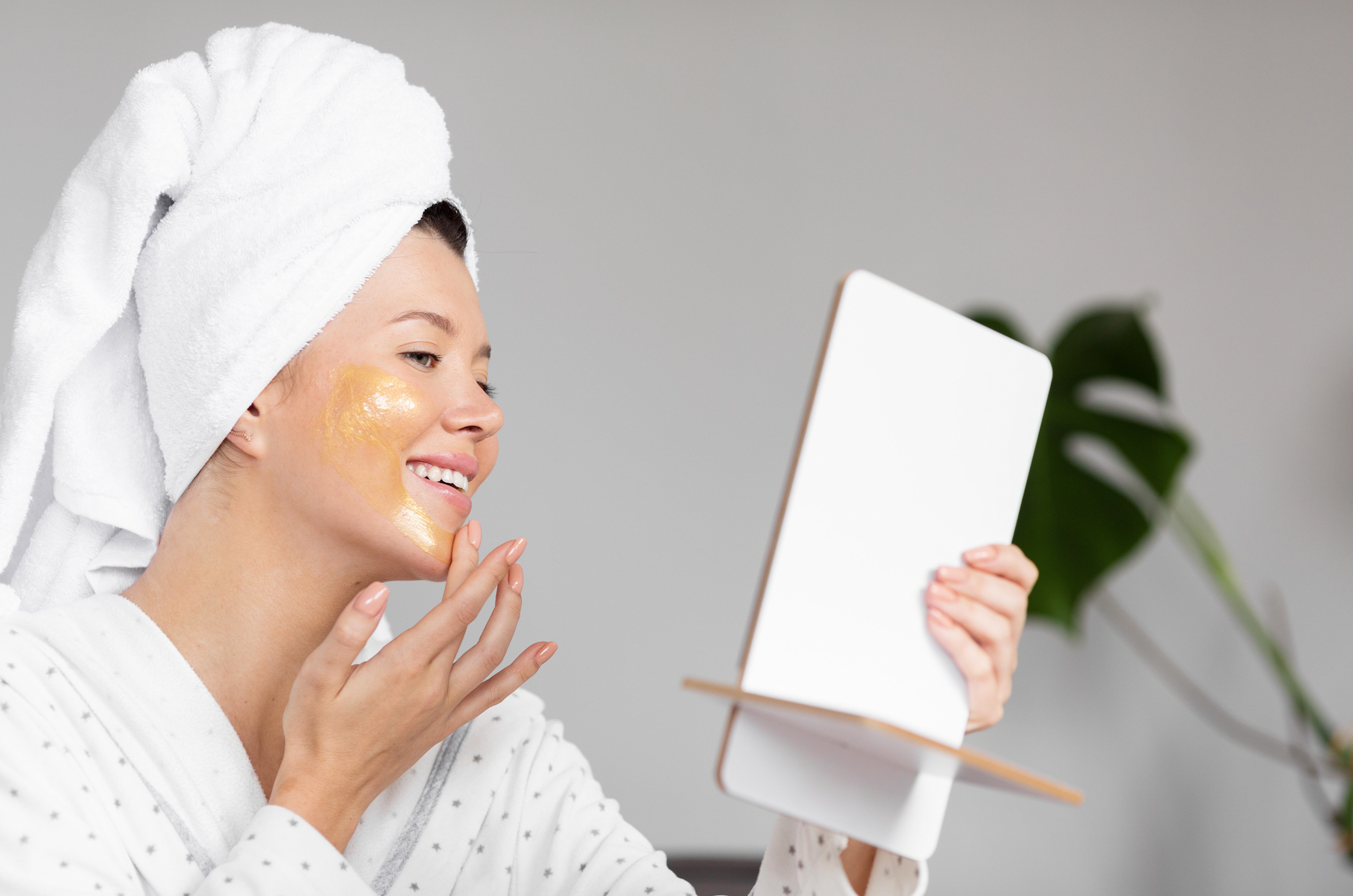
Why a Personalized Skincare Plan Beats Trendy Viral Skin Hacks
Quick answer: A viral skin hack is a single trick shared with millions of very different faces. It might suit some of them and quietly harm others, because skin is personal. What calms one person's skin can irritate the next person's. A personalized skincare plan, meaning a routine built around your skin type, your concerns, and your lifestyle, works better and more safely than copying a stranger's 30-second video.
We have all seen it. A video pops up, someone with glowing skin swears this one trick changed everything, and it has four million likes.
It is tempting. It is free. And sometimes, it even seems to work on your skin for a day or two.
Then, for a lot of people, the skin turns red, bumpy, or breaks out, and they are left wondering what went wrong. Here is the thing nobody in the video mentions: that hack was never designed for your skin.
Why viral skin hacks often "work," then backfire
A surprising number of quick tricks create an instant effect on your skin that looks like a result but is not.
Something that dries the skin can make a spot look smaller for a day. Something cold can reduce puffiness for an hour. Something that coats the skin can make it look smooth this evening. These feel like wins in the moment, but they are surface effects, not real improvements. And some of them quietly stress the skin underneath, which shows up later as irritation or breakouts.

The real reason "it worked for her, not for my skin"
Skin is deeply personal. Two people can look similar and have completely different skin underneath.
- One person's skin is dry, the other's is oily.
- One is calm, the other reacts to almost everything.
- One has a hidden driver like hormones behind their breakouts, the other does not.
So the same trick, used on two different faces, can give two opposite results. This is not you doing skincare wrong. It is simply that a single tip cannot possibly fit every skin type. That is the built-in flaw of any "everyone should do this" hack.
A friendly warning about the risky ones
Most viral skin tricks are just unhelpful. A few can genuinely damage your skin.
Putting harsh kitchen ingredients on your face, using strong acids at home without guidance, or copying at-home versions of clinic treatments can lead to burns, lasting marks, or infection. As a simple rule for your skin: if a hack involves breaking the skin, burning, or a strong stinging "it must be working" feeling, that is your cue to skip it.
